MoonMitten

For the conversation you have been putting off

Some things are too big to explain to someone small.

So tell it as a story instead. MoonMitten writes a short picture book about the thing your child is facing — as long or as brief as you choose — and draws their favourite toy, pet or blanket into it as the friend who walks beside them.

Open the studio

Private. Sign in with your account — your stories are yours alone.

Before you decide

Read one first

This is a real story, written for a real child. Read a couple of pages of it before you tell us anything at all — a page of it says more than this whole page can.

Grandparent bereavement

Cuddle and the Tuesday Tin

Cuddle & Alex

Page 1 of 6

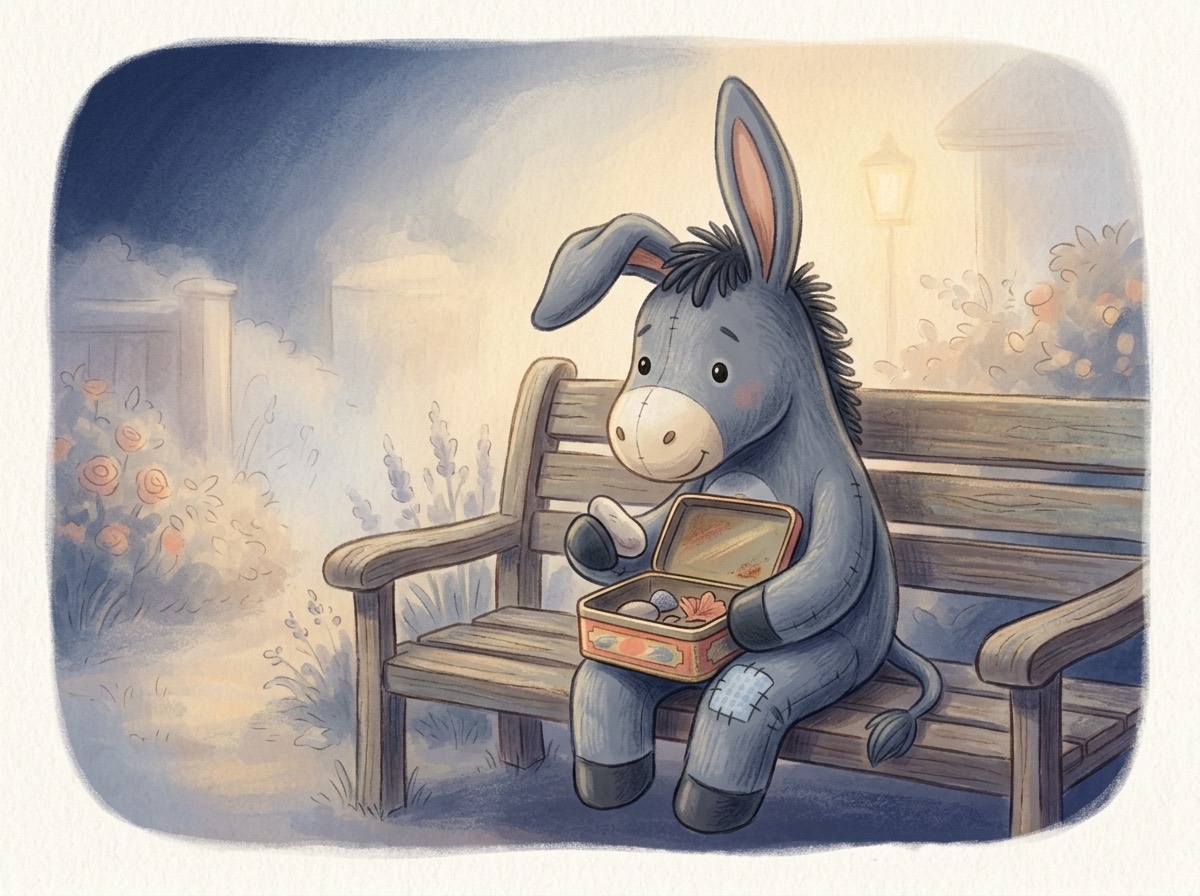
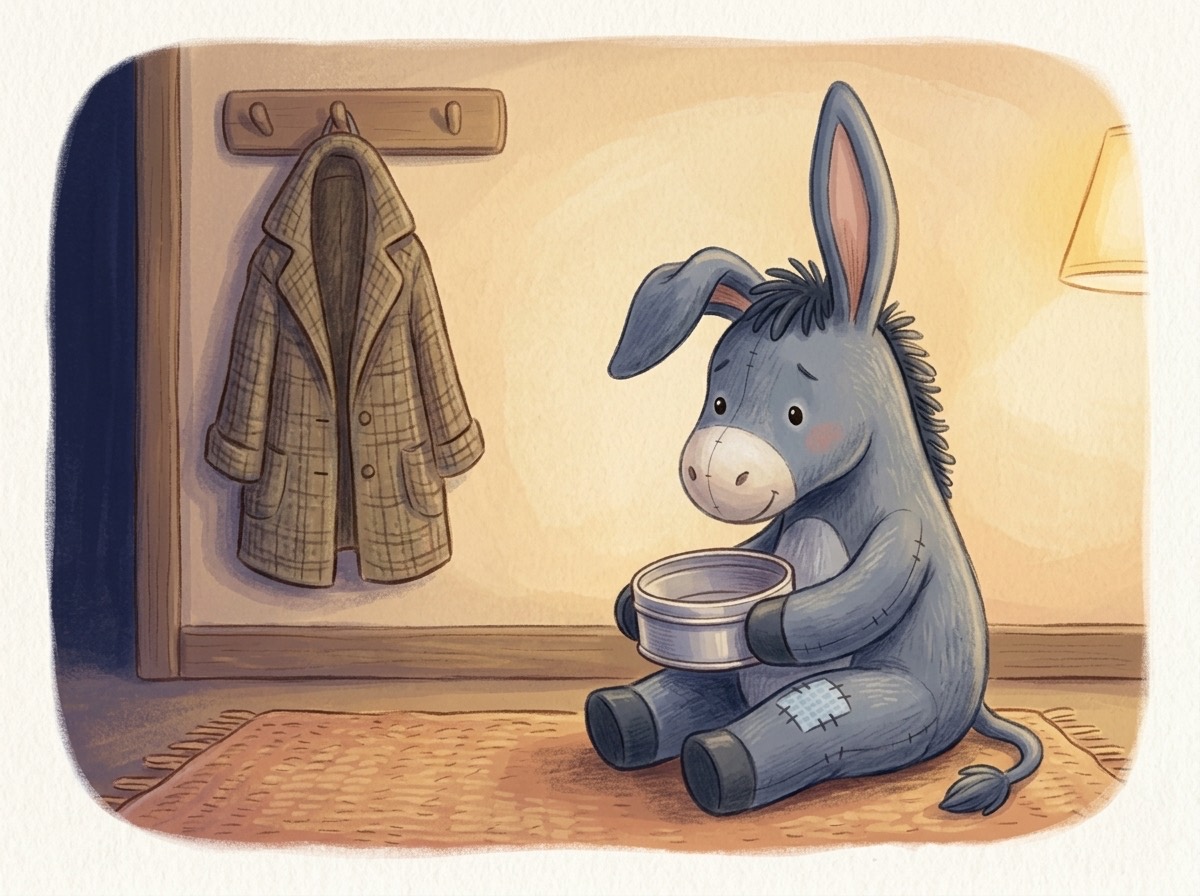
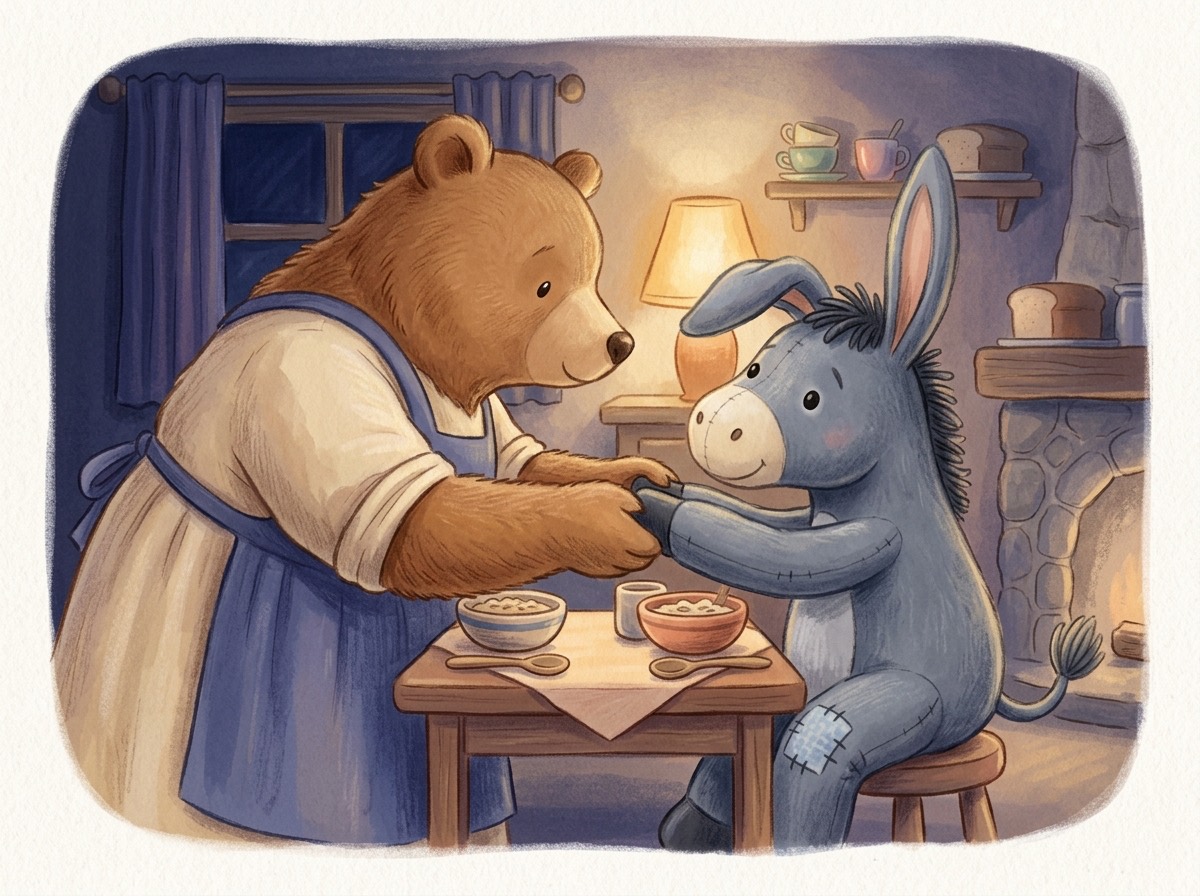
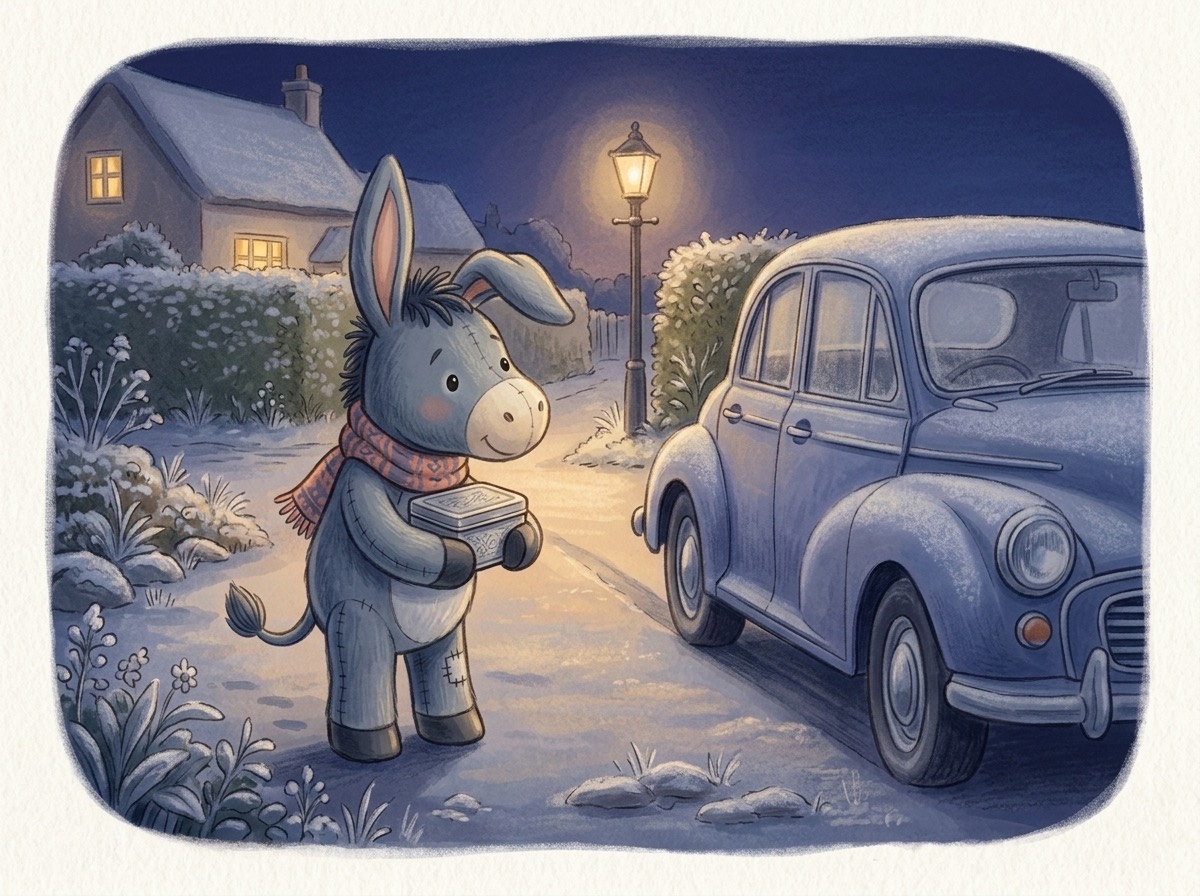
Long after the blue car stopped rumbling down the lane on Tuesday mornings, Cuddle sat on the rug with the round silver tin. It had held grandfather Bramble’s lemon drops, the ones that went clack-clack against the metal on every sharp turn. Cuddle shook it gently. One yellow sweet rolled inside. Bramble’s big coat still hung behind the door, smelling of peppermint and wool. “Is he out in the garden?” Cuddle whispered to his patched knee.
Remix this story

Note for the grown-up

The metaphor, and what it stands for

A treasured sweet tin becoming a keeper of memories, alongside gentle, literal clarity about the body stopping completely.

In the storyIn real life
Grandfather Bramble's body stopping completely so he does not feel wind, hunger, or cold The physical reality of death, answering practical fears about a deceased grandparent being uncomfortable or cold
The round sweet tin that clicked on every Tuesday car corner The grandfather's car sweet tin and the regular routine of Tuesday school runs
Filling the tin with a smooth pebble and an acorn Finding a concrete, physical place to put love, memories, and grief

The line they will learn

He is not cold, he is resting.

It comes back through the book. By the third time, let them say it with you.

Before you read it

Alex is processing grief through logic and concrete facts rather than tears, which is completely normal for a six-year-old. Before reading, keep grandfather's actual sweet tin nearby on a table or shelf without making a big announcement. Read the story quietly at bedtime. If Alex stays focused on Cuddle without mentioning their own grandfather, let that distance stand. The story allows Alex to inspect these big questions safely through the plush donkey.

What they may ask

Is Granddad cold in the ground? Does he need a blanket?

Use clear, concrete biology: 'No, sweetheart. When someone dies, their body stops working completely. That means it doesn't breathe, pump blood, or feel anything. He cannot feel the cold, he doesn't feel any pain, and he isn't hungry. His body is completely at rest.'

Can Granddad hear us talking about him?

'Because his ears and brain have stopped working, his body cannot hear sounds anymore. But all the love and the things he taught you stay right here with us in our minds and hearts.'

Why haven't I cried like everyone else? Am I bad?

'Not at all. Everyone's feelings come out differently. Some people leak tears, some people ask lots of questions, and some people feel quiet inside. Missing someone isn't measured in tears.'

Can we keep his sweet tin forever?

'Yes. That tin is yours to keep. You can put special things inside it, or keep it in your room so you have a piece of Tuesday mornings whenever you want it.'

Sentences you can borrow

  • When a body dies, it stops working completely, so it never feels cold or uncomfortable.
  • You don't have to cry to love someone and miss them with your whole heart.
  • We can keep his sweet tin right here for all our Tuesday memories.

When to get more help

Watch for sudden physical complaints (tummy aches on Tuesday mornings, fear of being cold in bed), intense anxiety around vehicle routines, or guilt about not crying. If Alex asks to inspect the real sweet tin or put small pebbles and treasures inside it after the story, follow their lead without rushing.

This subject can be heavier than one story. If your family is struggling, a doctor, school counsellor or local bereavement service can help.

From other families

No comments yet. Leave the first kind word.

Comments are reviewed by AI before they appear, and the developers can remove them. Please leave out real names and personal details.

Open it on its own page

The whole book. No account needed.

The hard thing, made small enough to hold

You write it the way you would say it out loud. Your child hears something they can already picture.

  • What you type

    Mateo has an MRI on Thursday and the noise terrifies him.

    What they hear

    Captain Mateo's ship hums so loudly because it is listening for the way through. Luna holds the map. All he has to do is stay very still.

How a story gets made

Three things from you. About a minute of waiting.

  1. Say it plainly

    Write what is happening the way you would tell a friend. There is no form to fill in and no right words to find.

  2. Add their companion

    Upload a photo of the bear, the dog, the blanket, the figure they carry everywhere. It becomes a character in the book, drawn to look like itself.

  3. Read it tonight

    A handful of short pages, illustrated where it matters most, and a note for you about the questions they are likely to ask when you close it.

Once it is written

A book that came out nearly right is not a lost afternoon.

Every telling comes out different, so rewriting the whole thing to fix one name costs you the pages that were already good. It does not work that way here.

  • Redraw one picture

    If a page frightened them, draw that page again. Same words, same companion, a new picture — and the rest of the book does not move.

  • Rewrite one page

    Say what was wrong in a line — "she is frightened of dogs, not spiders" — and get new words for that page only. The refrain and the rest of the book survive it.

  • Checked again before you keep it

    A rewritten page sends the whole book back through the same read-through it passed the first time. If the new version does not pass, it is thrown away and the page you had stays.

  • Or start from a situation like yours

    A scan on Thursday, a grandparent who died, a new school. Pick the nearest one and it writes the first draft of the hard paragraph for you to correct.

At home and at school

The same short books work at a bedside and on a story-time rug. Choose the door that fits.

At home

As a parent

One child, one hard thing, one book written just for them — with their own toy, pet or blanket drawn in as the friend who walks beside them.

  • Written for their exact age, with their name in it if you want it there
  • A photo of their toy, pet or blanket becomes the companion in every picture
  • A private note for you about the questions that come after the last page
Write a story for your child

At school

For the classroom

The same care, sized for a rug full of children. MoonMitten writes for the whole class and sets the story in a world they walk through every day.

  • Tuned to your class's age range and grade
  • Your school's name woven into the story
  • Photos of the school or classroom shape the world of the pictures
  • Ask for the class puppet, the school mascot, the reading corner — whatever the children already love
  • The grown-up note becomes a teacher's note, with questions to talk about together
See MoonMitten for the classroom

The companion

The friend they already trust does the explaining.

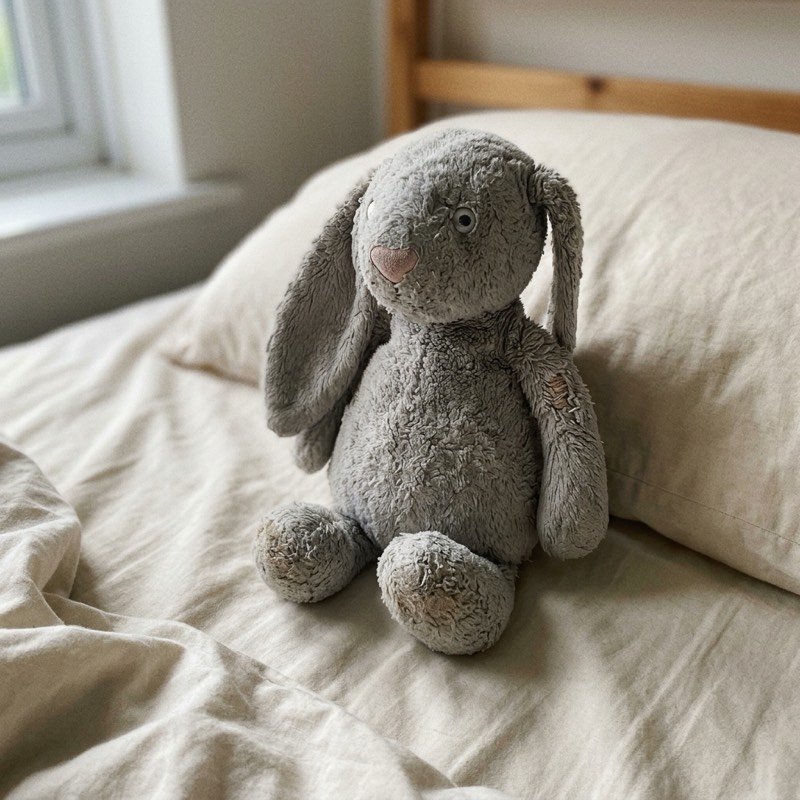
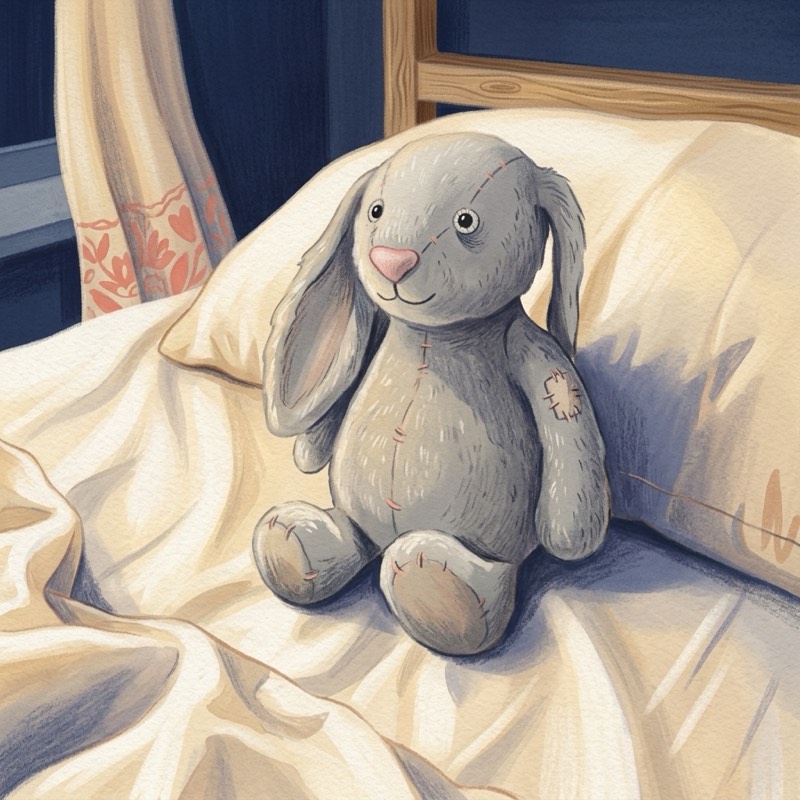
A child will believe something from a worn-out rabbit, the family dog or a favourite blanket that they will not take from an adult. Upload a photo and it is redrawn as a storybook character — the same colours, the same missing eye, the same flattened ear — then kept consistent across every illustration in the book.

The photo you upload
How it appears in the book

Coming soon · iPhone, iPad and Android

Then the friend from the book talks back.

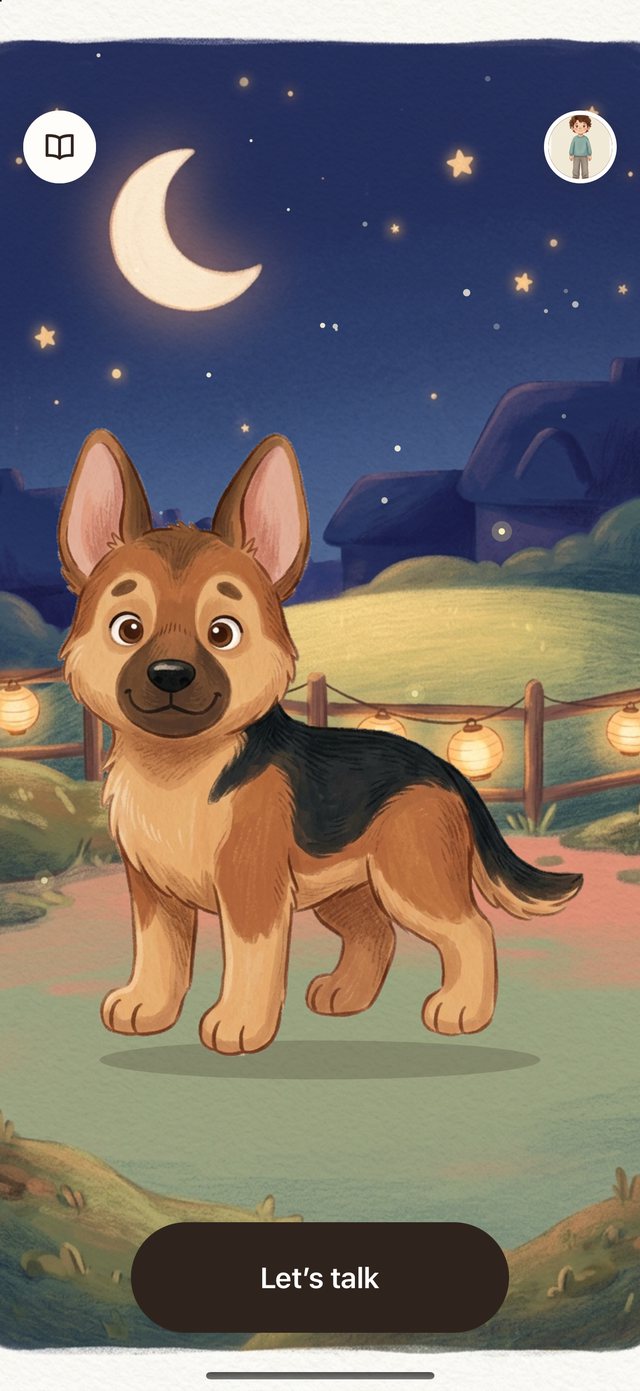
The MoonMitten app puts the friend from your child’s story on a tablet or phone, ready to talk. Your child presses one button and just talks; the companion knows their book, asks small, curious questions, and listens.

  • A friend who listensIt never gives advice, never makes promises and never keeps secrets. Every time, it tells your child that you get to know what they say.
  • Their own bookshelfEvery book you made for them, to read again as often as they like, or to have read aloud.
  • You read every wordEach conversation is written down for you, and anything that suggests your child may not be safe is flagged.

In English and Spanish. No ads, no tracking, and no account for your child: you pair the app from yours.

From $17.99 a month, with new books every month. See the plans

Coming to the App Store and Google Play

See everything the app does

The MoonMitten app: Canelo, the companion from a child’s book, standing in a night garden above a “Let’s talk” button.

Written in Spanish, not translated into it

Choose español and the book is composed in Spanish from the first word, with the rhythm and the vocabulary a parent would actually use out loud. The site, the story and the note for grown-ups all follow.

Ver en español

Safeguards

What this refuses to do

Every check runs before a single word is written, not after.

  • Photos are reviewed before they are used

    Each upload is judged against a fixed rubric. Toys, pets, blankets, children's drawings and other special things pass. Weapons, horror figures, anything sexualised, alcohol and drugs are refused with a reason.

  • No real people. Not even your own child

    If a person is visible anywhere in the photo, the upload is refused. MoonMitten never draws a real person and never works from a photograph of a child.

  • Hard subjects are allowed. Harmful ones are not

    Death, serious illness, divorce, scans and needles, a parent in prison, a deportation hearing — these are why the site exists, and it will write about them honestly. It refuses anything sexual, anything meant to frighten or shame a child, and anything that asks a child to keep secrets from you.

  • The finished book is read once more before you see it

    A second pass looks for promises nobody can keep, blame placed on the child, language far above their age, and endings that leave them alone with the fear.

  • You decide what is kept

    Delete any story at any moment. Anything you do not star is removed automatically after thirty days.

The conversation is still yours.

MoonMitten does not have it for you. It gives you a little book to open it with, and something for your child to hold while you do.

Open the studio