MoonMitten

For teachers, and for whole schools

Some lessons land better as a story.

MoonMitten writes a short picture book for your whole class — the unit you are starting, the routine they keep forgetting, the thing the group is going through — and sets it in your own school, with the puppet or mascot the children already love. Every book your staff writes lands on one shelf the whole school can read.

Open the classroom studio

For schools. One organisation covers your whole staff.

Before you decide

Read one to the class first

A real book, written for a real class, about the lockdown practice on Friday. Read it before you tell us anything — it will say more about what this is for than this page can.

School lockdown drill

Cuddle and the Quiet Shell Drill

Cuddle

Page 1 of 6

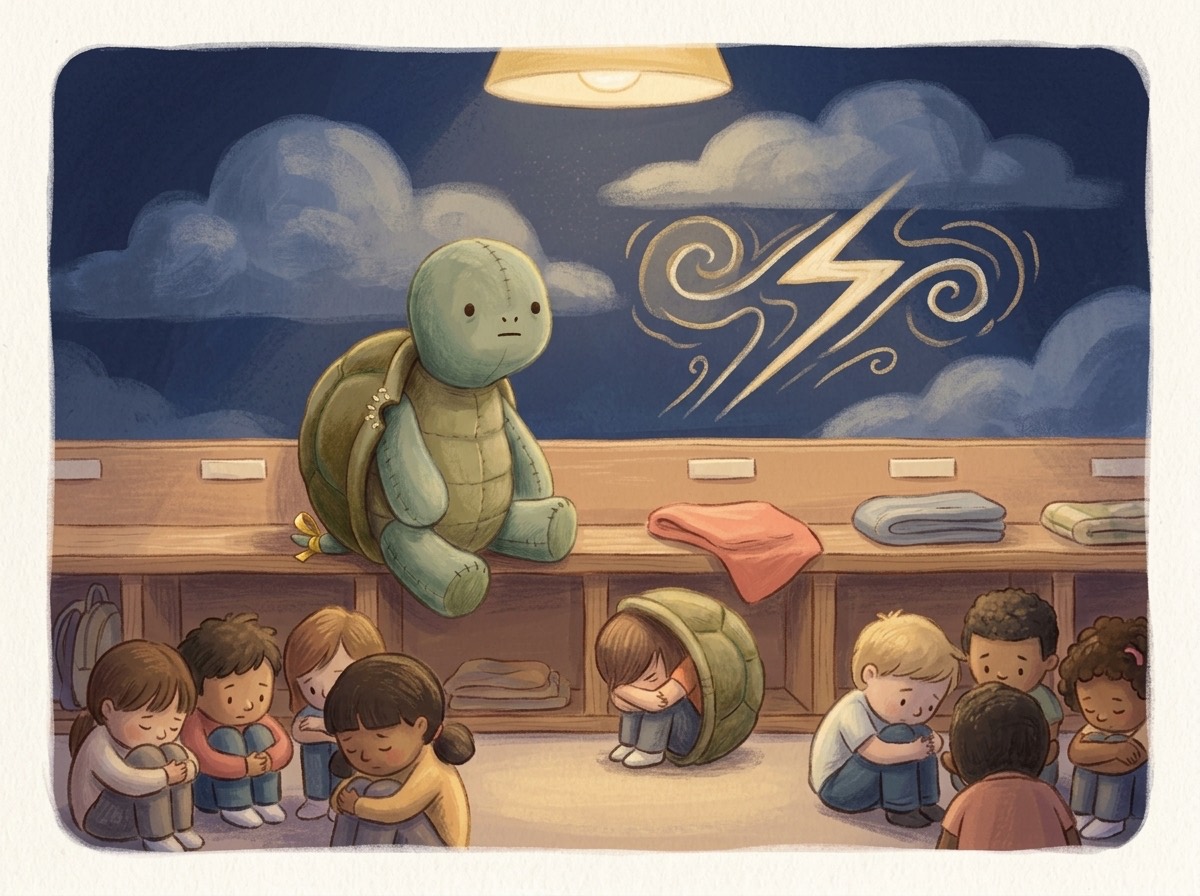
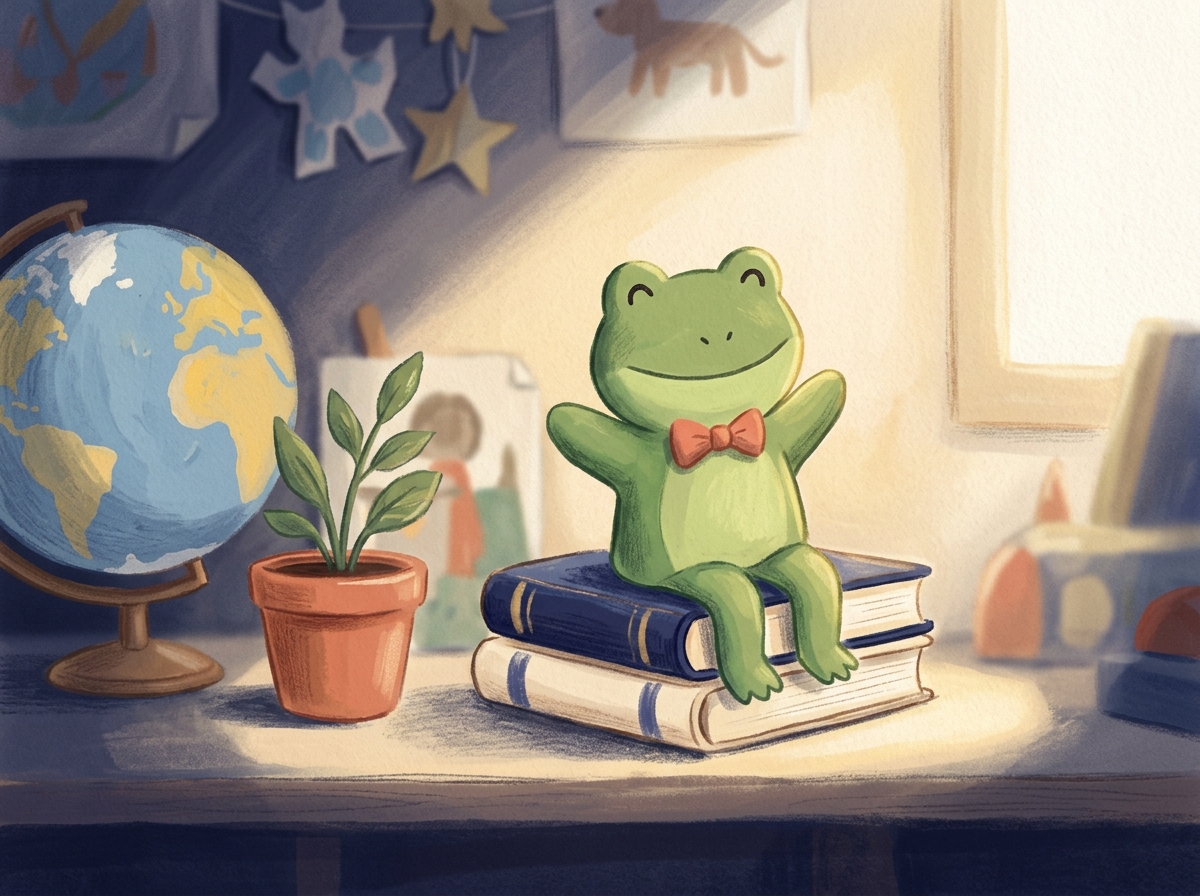
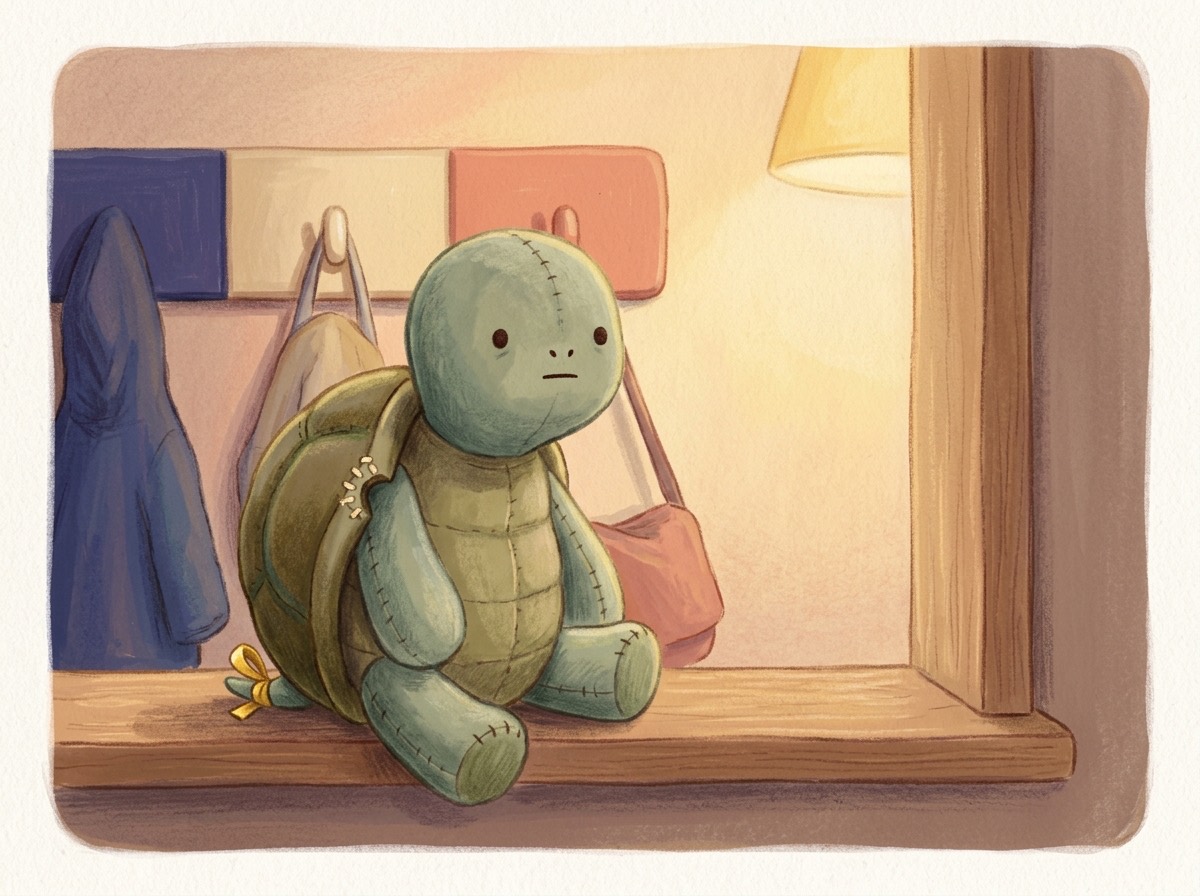
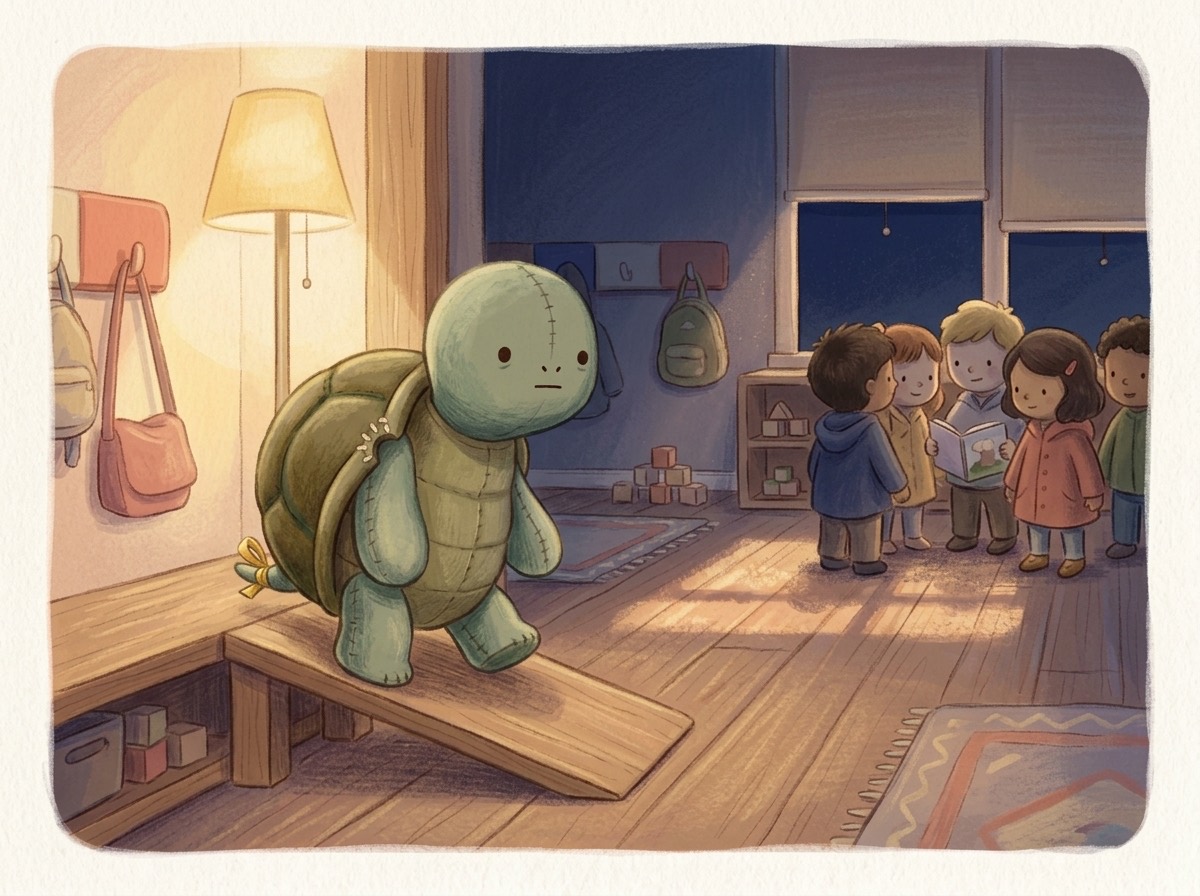
Upon the sunny windowsill at the school, Cuddle sat very straight. His olive-and-mustard felt shell was smooth, except for one tiny cream patch on the rim. "Today is Practice Day," Cuddle announced to the coat pegs. He thought a practice drill was a special kind of polka dance, so he wore a yellow ribbon on his tail. "A tortoise is always ready for important rehearsals," he whispered solemnly. Down on the rug, twenty small shoes were already shuffling.
Remix this story

Note for the teacher

The metaphor, and what it stands for

Tucking inside a tortoise shell during a thunderstorm rehearsal.

In the storyIn real life
The practice chime ringing across the classroom The school lockdown alarm sounding
The classroom ceiling lights clicking off to make a cosy den The lights being turned off during the drill
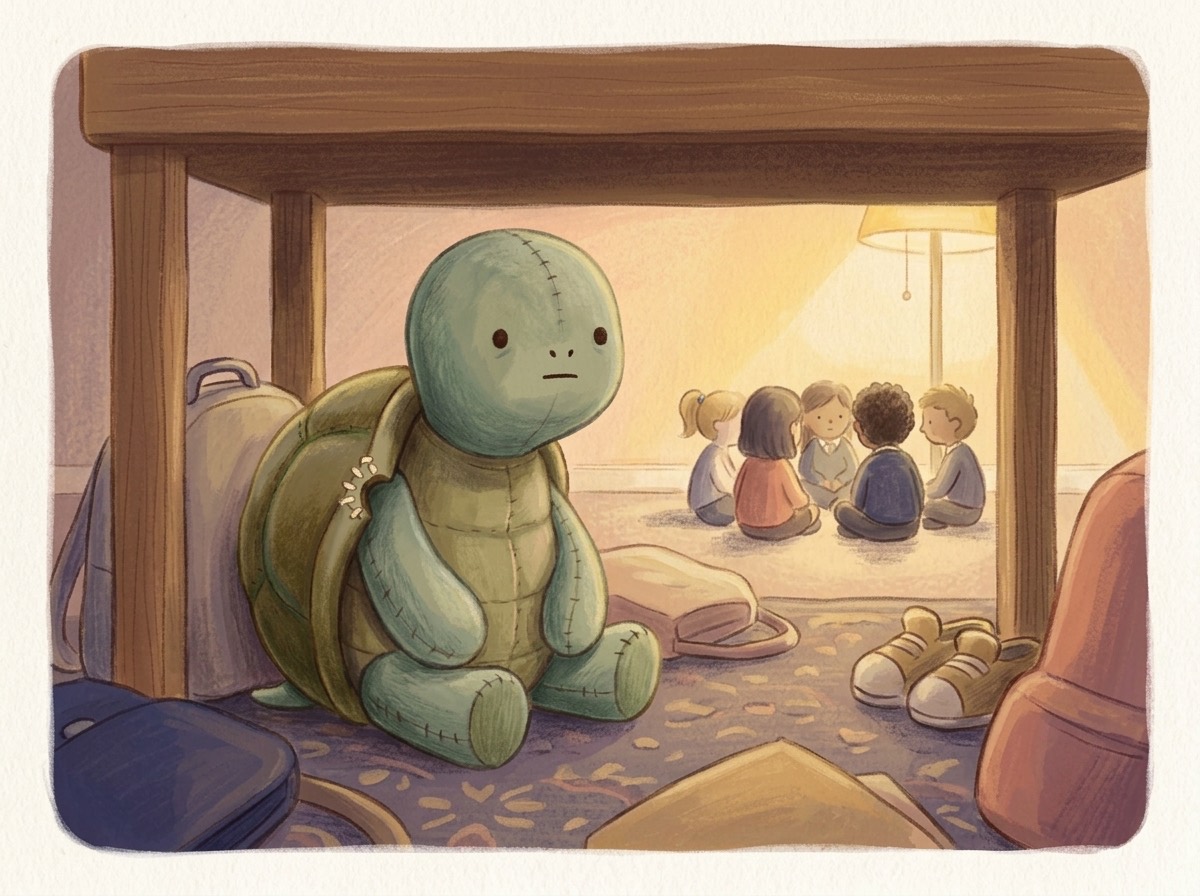
Crouching beneath the sturdy tables like a tortoise under a green hill Sitting quietly underneath classroom tables
Listening for the teacher's clear all-clear whistle and lights turning on The drill ending and normal classroom work resuming safely

The line they will learn

Tuck down low, quiet and slow.

It comes back through the book. By the third time, let them say it with you.

Before you read it

Read this story a day or two before your scheduled lockdown drill. Explain that at the school, just like we practice fire drills to know what to do if there is smoke, we practice 'quiet shell drills' so we know how to keep our room safe, peaceful, and still. Frame it entirely as a routine skill we build together.

What they may ask

Why does the alarm have to be so loud and the lights turned off?

The alarm is loud so every teacher hears it straight away, even if they are in the hall. We turn the lights off so our room looks quiet and restful from the outside, like a cosy den.

Is someone bad coming to our school?

No. The school doors are locked and grown-ups take care of safety every single day. We practice drills so our bodies remember how to be quick, quiet helpers if there is ever an emergency, like a sudden storm or a broken pipe.

What if I feel scared under the table or need to cough?

You can hold a friend's hand or squeeze Cuddle. If you need to cough or take a deep breath, that is okay. You just stay under the table until the teacher tells us the practice is done.

Sentences you can borrow

  • The teachers are right here, keeping every door safe and watching the clock.
  • Our only job during the drill is being our quietest tortoise self.
  • As soon as the practice bell rings, the lights come back on and we carry on with our day.

When to get more help

Watch for children who cover their ears, freeze, or begin to tear up when unexpected sounds occur in class. Offer them a seat close to you or allow them to hold a calming sensory object or Cuddle himself during the practice.

From other families

No comments yet. Leave the first kind word.

Comments are reviewed by AI before they appear, and the developers can remove them. Please leave out real names and personal details.

Open it on its own page

The whole book. No account needed.

From lesson plan to story time

You write it the way you would say it in a staff meeting. The class hears a story they can step into.

  • What you type

    We start our recycling unit on Monday and I want them to get why we sort our trash.

    What the class hears

    The Lost Things of Room 4 were never rubbish at all. Each bin was a door, and behind each door a factory of tiny builders waited to make old things new.

How a class book gets made

Three things from you. Ready before the bell rings.

  1. Tell it like a plan

    Write what the class needs to learn or understand — a unit, a routine, a change coming. Plain words, no lesson-plan formatting.

  2. Add your school

    The school's name, photos of the building or the classroom, and the class puppet or school mascot. The story moves in on page one.

  3. Read it at circle time

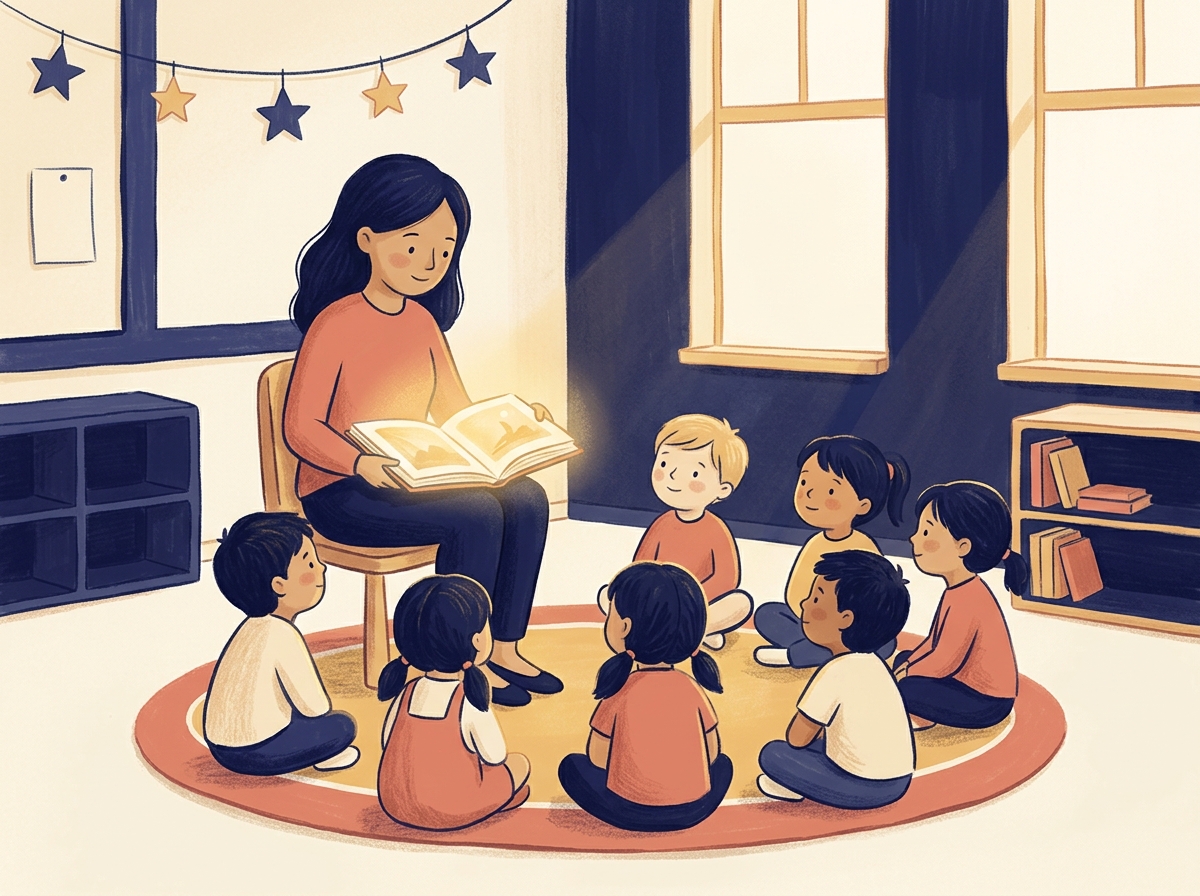
    A handful of short pages, illustrated where it matters, and a teacher's note with the questions to talk about together after the last page.

Your school, drawn in

The story happens where their days happen.

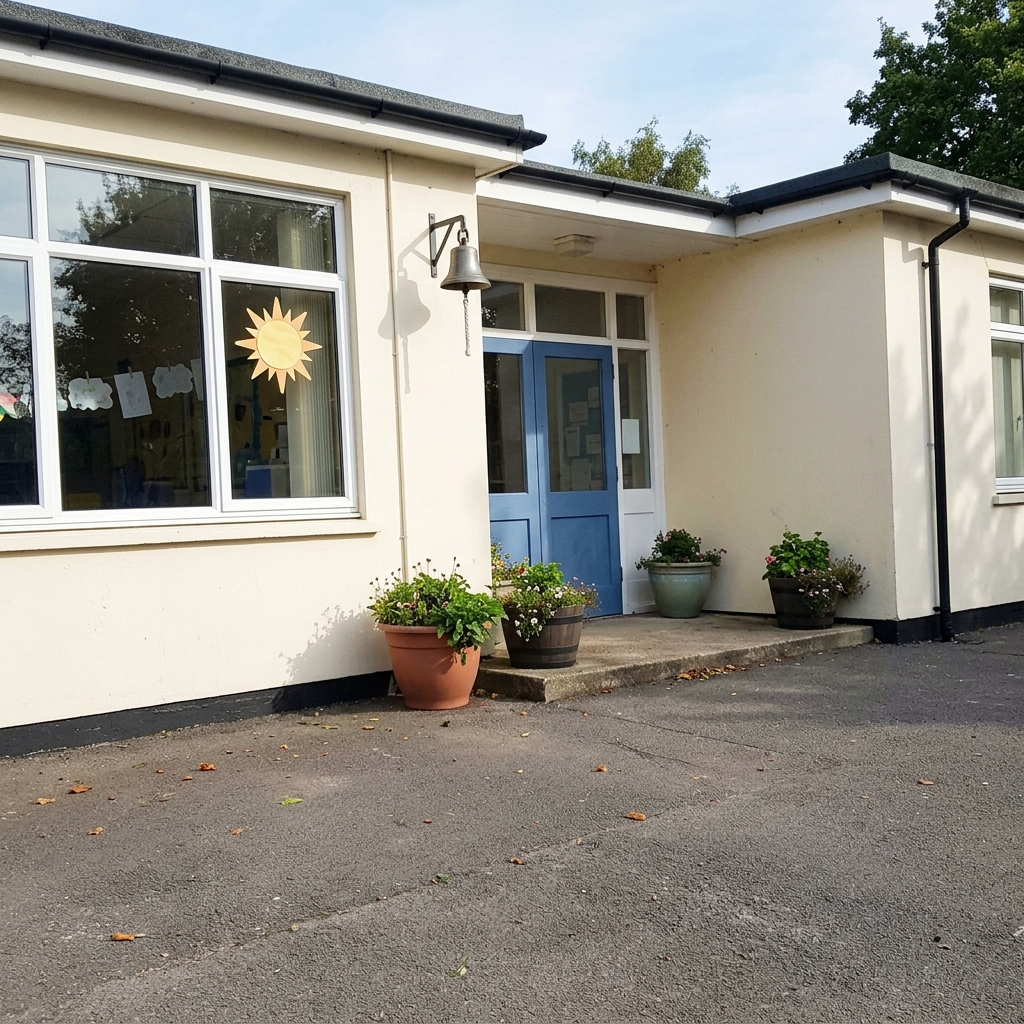
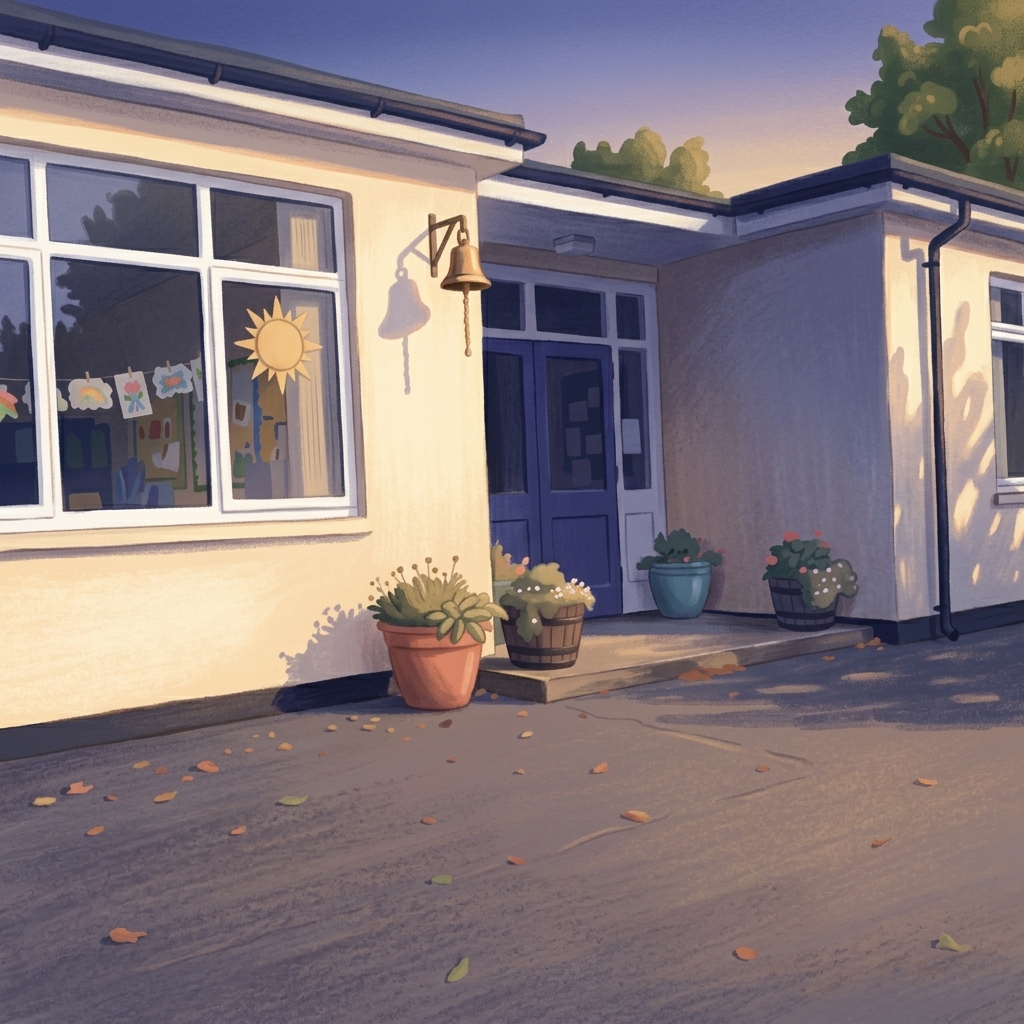
Children lean in when the story lives in their own hallway. Upload photos of the school — the entrance, the classroom, the playground — and they are repainted as the storybook's world: the same colours and shapes, softened into gouache. Give the school's name and the book says it out loud.

The photo you upload
How it appears in the book

For the whole staff

A school buys it once, not one teacher at a time.

Set up your school as an organisation and everyone on staff gets a seat. You invite them with a code read out in the staffroom, and every book anyone writes lands on one shared shelf the whole school can read.

  • One shelf, every classroom

    The book Year 3 wrote about a bereavement is there when Year 5 needs it, and still there next September when somebody new has the class.

  • Colleagues read the books, not the briefs

    Everyone can open any story in the school. What a teacher wrote about what a particular child is going through stays with the teacher who wrote it.

  • Invite by code

    Six characters, read aloud or sent as a link, revocable the moment you want it to stop working. No paperwork to add one more teacher.

Your organisation

Once it is written

A book that came out nearly right is not a lost afternoon.

Every telling comes out different, so rewriting the whole thing to fix one name costs you the pages that were already good. It does not work that way here.

  • Redraw one picture

    If a page frightened them, draw that page again. Same words, same companion, a new picture — and the rest of the book does not move.

  • Rewrite one page

    Say what was wrong in a line — "she is frightened of dogs, not spiders" — and get new words for that page only. The refrain and the rest of the book survive it.

  • Checked again before you keep it

    A rewritten page sends the whole book back through the same read-through it passed the first time. If the new version does not pass, it is thrown away and the page you had stays.

  • Or start from a situation like yours

    A scan on Thursday, a grandparent who died, a new school. Pick the nearest one and it writes the first draft of the hard paragraph for you to correct.

One child at home, instead?

MoonMitten began at the bedside — one child, one hard thing, one book written just for them. That studio is still the heart of it.

MoonMitten for families

Written in Spanish, not translated into it

Choose español and the book is composed in Spanish from the first word, with the rhythm and the vocabulary a parent would actually use out loud. The site, the story and the note for grown-ups all follow.

Ver en español

Safeguards

What this refuses to do

Every check runs before a single word is written, not after.

  • Photos are reviewed before they are used

    Each upload is judged against a fixed rubric. Toys, pets, blankets, children's drawings and other special things pass. Weapons, horror figures, anything sexualised, alcohol and drugs are refused with a reason.

  • No real people. Not even your own child

    If a person is visible anywhere in the photo, the upload is refused. MoonMitten never draws a real person and never works from a photograph of a child.

  • Hard subjects are allowed. Harmful ones are not

    Death, serious illness, divorce, scans and needles, a parent in prison, a deportation hearing — these are why the site exists, and it will write about them honestly. It refuses anything sexual, anything meant to frighten or shame a child, and anything that asks a child to keep secrets from you.

  • The finished book is read once more before you see it

    A second pass looks for promises nobody can keep, blame placed on the child, language far above their age, and endings that leave them alone with the fear.

  • You decide what is kept

    Delete any story at any moment. Anything you do not star is removed automatically after thirty days.

Story time is still yours.

MoonMitten writes the book and paints your school into it. The rug, the circle, the voice doing the reading — that part is all you.

Open the classroom studio